Vampire Savior: The Lord of Vampire

Introduction

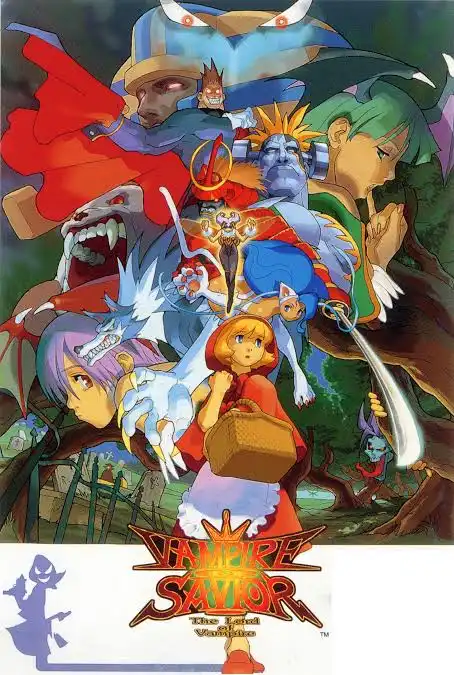
Vampire Savior: The Lord of Vampire was developed and published by Capcom on CPS-2 arcade hardware, released in Japan in May 1997 as the third entry in the Darkstalkers series, following Night Warriors: Darkstalkers’ Revenge. The game introduced the Dark Force system, a character-specific super meter that could be activated to grant unique temporary abilities, from extra attacks to enhanced mobility, adding a fresh layer of strategy on top of the series’ already technical air-combo-heavy fighting engine. Its horror-themed cast of monsters, including the succubus Morrigan Aensland, the werewolf Jon Talbain, and newcomers introduced specifically for this entry, fought across richly animated, atmospheric stages that leaned further into gothic horror imagery than most fighting games of the era attempted. Vampire Savior refined the aerial combo system and character balance from the earlier Darkstalkers games while keeping the series’ distinctly dark, stylish visual identity intact, and it is frequently cited by fighting game enthusiasts as the high point of the Darkstalkers series and one of Capcom’s most technically accomplished 2D fighters of the CPS-2 era.
Vampire Savior: The Lord of Vampire

Similar Posts

  • Nekketsu Fighting Legend

    Introduction Nekketsu Fighting Legend was developed and published by Technos Japan, released for the Famicom as part of the Kunio-kun series, the long-running franchise of delinquent-themed sports and action games that would later be localized abroad under names like River City Ransom and Renegade. This entry frames its action as a martial arts tournament, with…

  • Battle Circuit

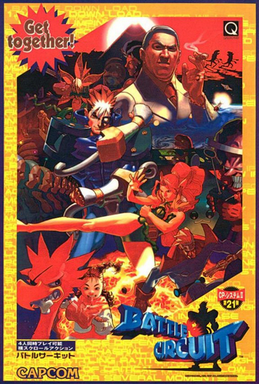
    Introduction Battle Circuit was developed and published by Capcom for its CPS-2 arcade hardware, produced by Noritaka Funamizu and Yoshiki Okamoto with designers Ken Kun and Tomoshi Sadamoto and a score by Syun Nishigaki, released in Japan and Europe in 1997 but never officially brought to North American arcades. It holds a distinct place in…

  • Toki

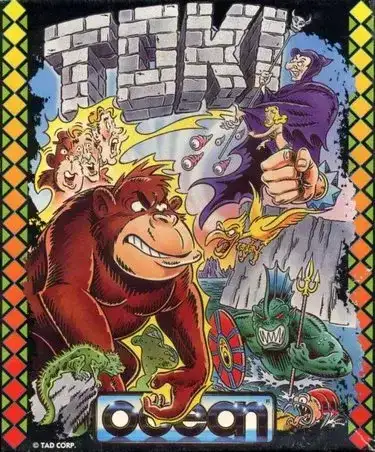
    Introduction TAD Corporation released Toki in Japanese arcades in December 1989 under the title JuJu Densetsu, with Fabtek handling the North American release as Toki in February 1990. Akira Sakuma designed it around a premise no other platformer of the era shared: an evil sorcerer transforms the hero into an ape and abducts the woman…

  • Captain Commando

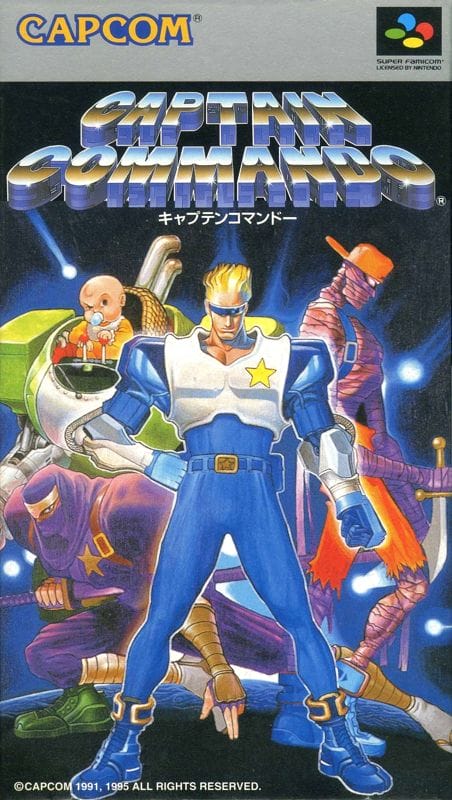
    Introduction Captain Commando was developed and published by Capcom for arcades, produced by Yoshiki Okamoto and designed by Akira Yasuda and Junichi Ohno, released on the CP System hardware in late 1991 as the seventeenth game built for that board. The title character has an unusual origin story: Captain Commando began life years earlier as…

  • Puzzle Bobble 2

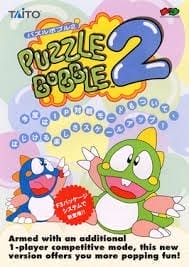
    Introduction Puzzle Bobble 2, released internationally as Bust-A-Move Again, was developed and published by Taito, released in arcades in 1995 as the direct sequel to the original Puzzle Bobble. The core aim-and-match bubble-shooting gameplay remained unchanged, with Bub and Bob once again firing colored bubbles upward to clear the shrinking field above them, but the…

  • Samurai Shodown II

    Introduction Samurai Shodown II was developed and published by SNK, released for arcades in 1994 as the sequel to the original Samurai Shodown, refining the series’ weapon-based fighting system with faster movement and a deeper cast of feudal-Japan-inspired warriors. Building on the first game’s emphasis on longer-range weapon strikes and a Rage gauge that unlocks…