Ultimate Mortal Kombat 3

Introduction

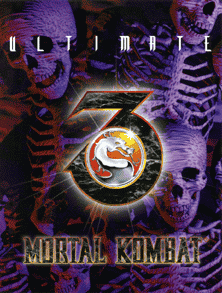
Ultimate Mortal Kombat 3 was developed and published by Midway, released in arcades in 1995 as a significantly revised update to the same year’s Mortal Kombat 3. The game restored several fan-favorite fighters who had been left out of the original Mortal Kombat 3 roster, including Kitana, Mileena, Jax, and Scorpion, bringing the total selectable cast to twenty-three characters, the largest in the series up to that point. Beyond the expanded roster, Midway added new finishing moves called Brutalities, which let players batter an opponent with a precise, timed sequence of hits to explosively destroy them, alongside the returning Fatalities, Animalities, and Friendships from earlier games. The core fighting engine, tournament-style single-elimination structure, and gruesome, ultra-violent presentation that had made the Mortal Kombat series a lightning rod for controversy remained intact, now with faster pacing and tighter balance across the larger cast. Ultimate Mortal Kombat 3 was well received as the definitive arcade version of Mortal Kombat 3, later forming the basis for numerous home ports and remaining a staple of the fighting game’s competitive community for years afterward.
Ultimate Mortal Kombat 3

Similar Posts

  • 1944: The Loop Master

    Introduction 1944: The Loop Master was developed by Eighting and published by Capcom, released in arcades in 2000 as a direct continuation of the 19XX series that began with 1942 back in 1984. Set in the closing stages of World War II, the game returns players to the vertical-scrolling shoot ’em up formula of its…

  • Battle Circuit

    Introduction Battle Circuit was developed and published by Capcom for its CPS-2 arcade hardware, produced by Noritaka Funamizu and Yoshiki Okamoto with designers Ken Kun and Tomoshi Sadamoto and a score by Syun Nishigaki, released in Japan and Europe in 1997 but never officially brought to North American arcades. It holds a distinct place in…

  • Double Dragon II: The Revenge

    Introduction Double Dragon II: The Revenge was developed and published by Technos Japan, released in arcades in 1988 as the direct sequel to the genre-defining original Double Dragon. The game opens with the previous game’s villain gang gunning down Marian, the love interest whose kidnapping drove the first game’s plot, sending martial artist brothers Billy…

  • The King of Fighters 2002

    Introduction The King of Fighters 2002 was released for the Neo Geo arcade system in 2002, developed by Eolith and Playmore after SNK’s original company had closed. Rather than continuing the series’ ongoing story, it is a dream match that gathers fighters from across the previous games into one large roster of around forty characters….