Puzzle Bobble 2
Introduction
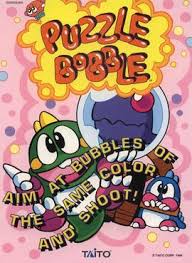
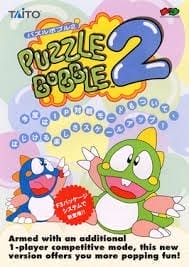
Puzzle Bobble 2, released internationally as Bust-A-Move Again, was developed and published by Taito, released in arcades in 1995 as the direct sequel to the original Puzzle Bobble. The core aim-and-match bubble-shooting gameplay remained unchanged, with Bub and Bob once again firing colored bubbles upward to clear the shrinking field above them, but the sequel added a large set of new single-player stages, new bubble types with special effects, and an expanded roster of selectable characters each carrying slightly different play styles into the game’s versus mode. Puzzle Bobble 2 also introduced a proper story mode with a boss character to face at the end of the campaign, giving single-player progression more shape than the original’s straightforward stage list. Its refinements were incremental rather than transformative, but the added content and polish were well received, and the game is often remembered as an equal or even preferred companion to the original by longtime fans, cementing the Puzzle Bobble series as one of Taito’s most enduring puzzle franchises.
Puzzle Bobble 2
How to Play Puzzle Bobble 2 Online
Press Start Game above, insert a coin with Select and press Start. You aim a launcher at the bottom of the screen and fire coloured bubbles upward; connect three or more of the same colour and they pop. By default the arrow keys aim and Z or X fires, and you can check or change the keys in Control Settings in the emulator menu.
Controls
| Input | Action |
|---|---|
| Left / Right | Rotate the launcher |
| Fire button | Shoot the loaded bubble |
| Start | Start a game or join in for two players |
Tips for Clearing Every Round
- Use the walls. Bubbles bounce off the side walls, so bank shots let you reach spots that are blocked from a straight line.
- Drop, do not just pop. Any bubbles hanging only from the ones you pop fall off the board and score far more points than popping.
- Watch the next bubble. The next colour is shown beside the launcher; plan two shots ahead.
- Do not stall. After a few shots without a match, the ceiling drops one row. If bubbles cross the line at the bottom, the round is lost.
- Pick easier routes. At certain points you can choose which path of rounds to play next, and some routes are gentler than others.
- In versus mode, big drops send extra bubbles to your opponent’s side.
About the Game
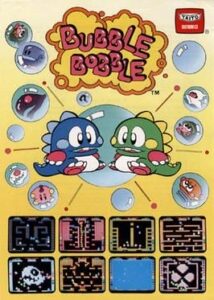
Taito’s 1995 sequel, known as Bust-A-Move Again in some regions, kept the simple aim-and-match idea of the original and added many new rounds and a branching route. Bub and Bob, the bubble dragons from Bubble Bobble, run the launcher. Play the first game in Puzzle Bobble or its Super Nintendo version Bust-A-Move, and for another competitive puzzle game try Super Puzzle Fighter II Turbo.