The King of Fighters '95

The King of Fighters ’95

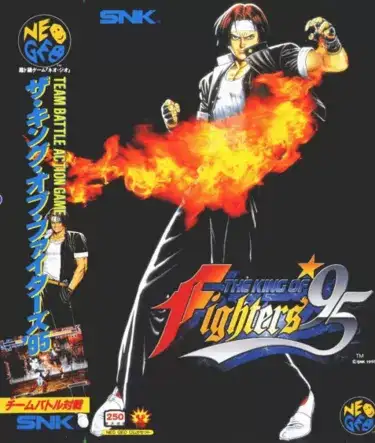
Introduction SNK released The King of Fighters ’95 for the Neo Geo in 1995, the second game in the series. The tournament returns with its three-on-three team battles, but this entry introduced the Team Edit mode, allowing players to build their own teams from any of the fighters rather than using fixed trios. It also…
Mega Twins

Mega Twins

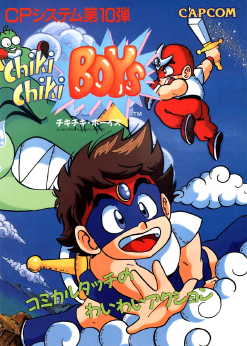
Introduction Capcom released Mega Twins in arcades in 1990, known in Japan as Chiki Chiki Boys. It tells the story of the twin princes of the kingdom of Alurea, who set out to defeat a monster that has devastated their home. The game is a side-scrolling action platformer with cute, colourful graphics and a surprising…

Pang! 3

Pang! 3

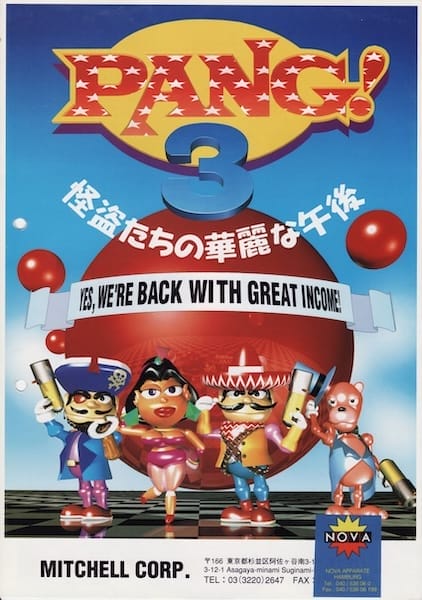
Introduction Pang! 3 was released in arcades in 1995 by Mitchell Corporation, the third main entry in the balloon-popping series that began with Pang. The rules are simple and addictive: bouncing balloons fill the screen, and firing at one splits it into two smaller balloons, which continue to split until they disappear. Touching a balloon…

Raiden Fighters

Raiden Fighters

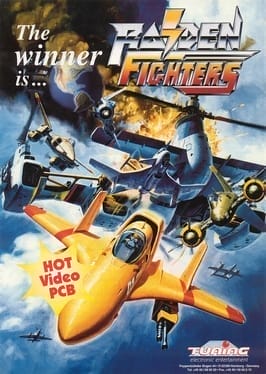
Introduction Seibu Kaihatsu released Raiden Fighters in arcades in 1996, a spin-off from its Raiden shooting series. Instead of piloting a single ship, players choose from a selection of fighter jets, each with a different speed and its own main weapon and missile type, and more aircraft can be unlocked with hidden inputs. The game…

The King of Fighters 2002

The King of Fighters 2002

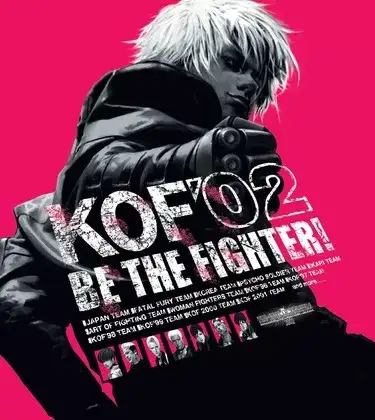
Introduction The King of Fighters 2002 was released for the Neo Geo arcade system in 2002, developed by Eolith and Playmore after SNK’s original company had closed. Rather than continuing the series’ ongoing story, it is a dream match that gathers fighters from across the previous games into one large roster of around forty characters….

Money Puzzle Exchanger

Money Puzzle Exchanger

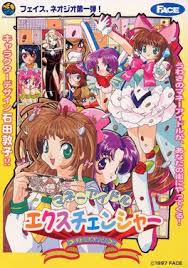
Introduction Money Puzzle Exchanger was developed by Face and released for the Neo Geo arcade system in 1997. Its twist on the competitive falling-block formula is built around Japanese coins: coins of 1, 5, 10, 50, 100 and 500 are pulled down from the top of the playfield, and the player gathers them and pushes…

Raiden II

Raiden II

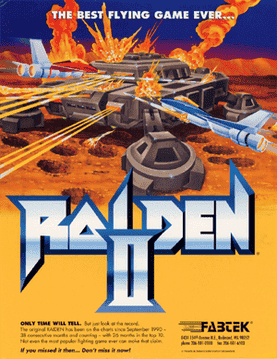
Introduction Seibu Kaihatsu released Raiden II in arcades in 1993 as the sequel to its hugely successful vertical shooter. The alien invaders from the first game return to Earth, and once again the player pilots the Raiden fighter against waves of tanks, battleships, gun emplacements and enormous bosses. The main weapons are the familiar red…

Ninja Baseball Bat Man

Ninja Baseball Bat Man

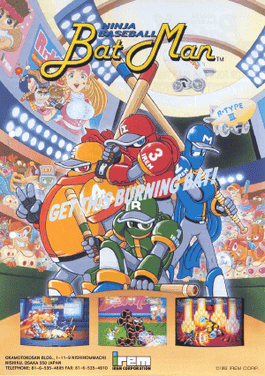
Introduction Irem released Ninja Baseball Bat Man in arcades in 1993, and it remains one of the most gleefully strange beat ’em ups of the era. A set of priceless baseball artifacts has been stolen, and the league commissioner sends a team of four robotic ninja ballplayers – Jose, Ryno, Roger and Straw – to…

The Ninja Warriors

The Ninja Warriors

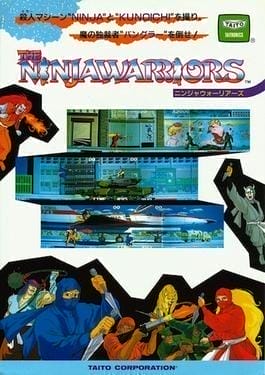
Introduction Taito developed and published The Ninja Warriors in 1987, with cabinets reaching operators in February 1988. Its defining feature was hardware rather than software: the cabinet housed three contiguous monitors, the outer two reflected into place by mirrors, producing an extraordinarily wide playfield that no home console of the era could reproduce faithfully. The…

Toki

Toki

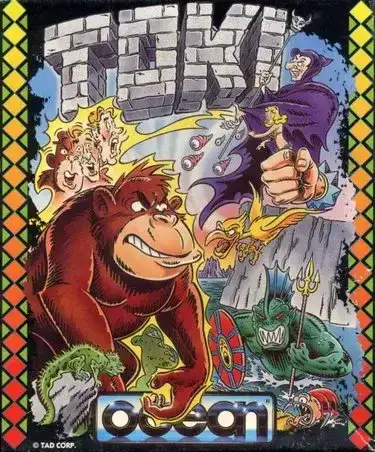
Introduction TAD Corporation released Toki in Japanese arcades in December 1989 under the title JuJu Densetsu, with Fabtek handling the North American release as Toki in February 1990. Akira Sakuma designed it around a premise no other platformer of the era shared: an evil sorcerer transforms the hero into an ape and abducts the woman…

X-Men: Children of the Atom

X-Men: Children of the Atom

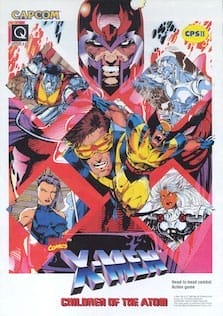
Introduction X-Men: Children of the Atom launched on Capcom’s CP System II board in Japan on 8 December 1994, reaching the rest of Asia weeks later and North America during 1995. It was the first fighting game Capcom built around licensed Marvel characters, and the ambition shows in every frame: sprites far larger than those…