Galaga

Introduction

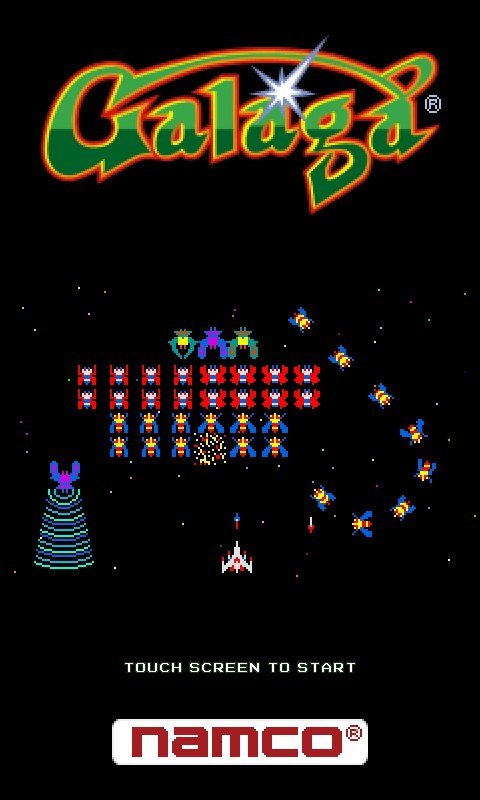
Galaga was developed and published by Namco for arcades in 1981, led by longtime company veteran Shigeru Yokoyama, and released in North America by Midway. It exists as a direct sequel to 1979’s Galaxian, Namco’s first genuine arcade hit, and came about somewhat by necessity: as Galaxian cabinet sales began slowing by the early 1980s, Yokoyama was tasked with building new games that could still run on leftover Galaxian hardware to help clear excess inventory. The project ultimately outgrew that plan, moving instead to a new board Namco’s R&D division developed specifically for it, dubbed the Galaga board, which went on to power other Namco arcade hits like Bosconian and Dig Dug. Players pilot a starfighter along the bottom of the screen, blasting formations of insect-like alien ships that swoop down in scripted dive-bomb attacks, with the added twist that certain enemies can capture the player’s ship with a tractor beam, which can then be rescued mid-game to fly as a powerful dual fighter. That mix of pattern-based formation shooting and its captured-ship mechanic helped Galaga become one of the most enduring and frequently re-released arcade shooters ever made.

Galaga

How to Play Galaga Online

Press Start Game above, insert a coin with Select and press Start. Your fighter moves left and right along the bottom of the screen and fires straight up. Only two inputs matter: the arrow keys to move and one fire key, which you can check or change in Control Settings in the emulator menu.

Controls

Input Action
Joystick left / right Move your fighter
Fire button Shoot (two shots on screen at a time)

How Galaga Works

Each stage starts with alien formations flying in on curved paths before settling into a grid at the top of the screen. From there they break off and dive at you. The Boss Galaga, the large ship at the top, can fire a tractor beam to capture your fighter. If you then shoot the Boss Galaga while it holds your captured ship, the ship is released and joins yours as a Dual Fighter with double firepower.

Tips for a High Score

  • Get the Dual Fighter early. Let a Boss Galaga capture one ship while you still have a spare, then rescue it. Double shots make every stage easier, but the bigger target is easier to hit.
  • Rescue your ship during a dive. Shoot the Boss Galaga holding your fighter while it swoops down; that is when the captured ship is freed.
  • Shoot divers for more points. Aliens are worth more when hit during their dive than when sitting in formation.
  • Challenging Stages appear regularly. Enemies do not shoot back there; hit all 40 for a big bonus.
  • Clear the formation fast. The longer a stage runs, the more aggressive the attacks become.

History

Namco released Galaga in arcades in 1981 as the sequel to Galaxian. Its capture-and-rescue mechanic and Challenging Stages made it one of the most popular arcade shooters ever, and it still appears in many classic arcade collections. For more space shooting, try Gradius or 1942.

Similar Posts

  • Out Run

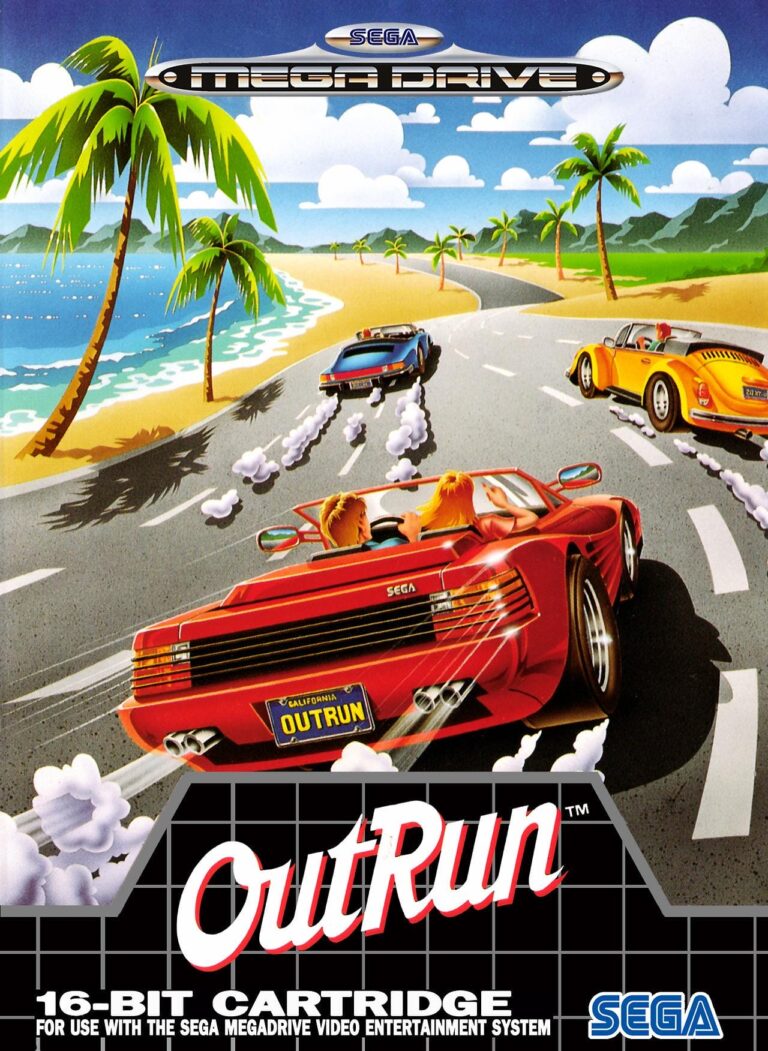
    Introduction Out Run was developed and published by Sega, released in arcades in 1986 under the direction of Yu Suzuki, who had previously worked on Sega’s earlier hit Hang-On. Players take the wheel of a red Ferrari Testarossa Spider convertible, racing against the clock through scenic checkpoint stages rather than against other cars, with a…

  • Knights of the Round

    Introduction Knights of the Round was developed and published by Capcom for its CPS-1 arcade board, released in Japan in November 1991 as part of a wave of fantasy-themed beat ’em ups the studio put out around that era, alongside titles like The King of Dragons. Loosely built around the legend of King Arthur, the…

  • Saturday Night Slam Masters

    Introduction Saturday Night Slam Masters was developed and published by Capcom, released in arcades in 1993 with character designs contributed by manga artist Tetsuo Hara, best known for Fist of the North Star. The game reimagines professional wrestling as a fast-paced arcade fighter, letting up to two players grapple, throw, and slam their way around…

  • Insector X

    Introduction Insector X began life as an arcade shooter developed by Hot-B under contract for Taito, released to arcades in 1989 with a deliberately comical tone that Taito had requested. After buying the rights back from Taito the following year, Hot-B built its own Mega Drive version, published in Japan under its own name and…

  • Bubble Bobble

    Introduction Bubble Bobble was developed and published by Taito, released in arcades in 1986 under the direction of Fukio “MTJ” Mihara. The game follows Bub and Bob, two friends transformed into bubble-blowing dragons, as they climb through 100 single-screen levels trying to rescue their girlfriends and reverse the curse turning them into monsters. Rather than…

  • The King of Fighters ’96

    Introduction The King of Fighters ’96 was developed and published by SNK, released for arcades in 1996 as the third entry in the annual King of Fighters series, continuing its three-on-three team tournament format pulling characters from across SNK’s other fighting franchises. It introduced a reworked dodge system and a faster, more aggressive movement style…