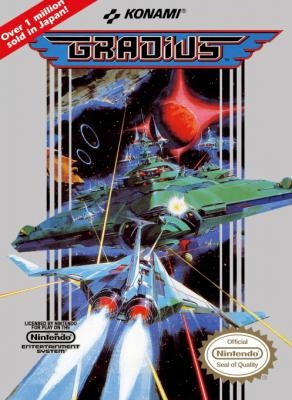
Gradius

Introduction

Gradius began as a 1985 arcade shoot ’em up from Konami, developed under the working title Scramble 2 as a spiritual successor to the studio’s earlier Scramble, and it became one of the biggest arcade hits of the following year. Konami ported it to the Famicom in April 1986 and brought it to the NES in North America that December as the company’s first NES release in the region, with the Famicom version alone selling over a million copies in Japan. The console hardware forced some real cutbacks, including simplified level layouts and dropping the maximum number of Options, the ship’s orbiting drone weapons, from four down to two, and it was during this port that developer Kazuhisa Hashimoto, finding the game too punishing to test repeatedly, built in a pause-screen cheat that grants nearly every power-up at once. That code went on to appear in later Konami NES games including Contra, eventually becoming famous worldwide simply as the Konami Code. Players pilot the Vic Viper starfighter through Gradius’s iconic segmented power-up meter, choosing exactly which upgrade to activate next as they blast through waves of Bacterion forces and the series’ signature environmental hazards like the Moai stage.
Gradius

Similar Posts

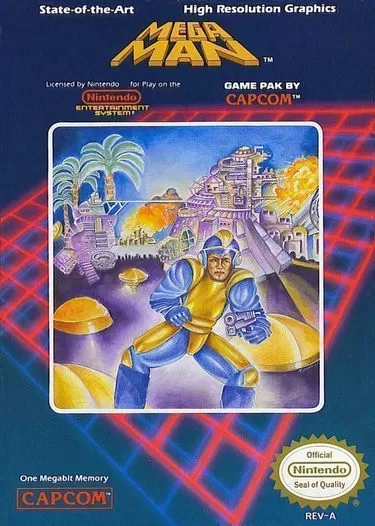
  • Mega Man

    Introduction Mega Man was developed and published by Capcom, released for the Famicom in Japan in December 1987 by a small six-person team working under a project supervisor who reportedly pushed for perfection in every detail despite the tight crew size. Fresh Capcom hire Keiji Inafune, credited on the game as ‘Inafuking,’ designed and illustrated…

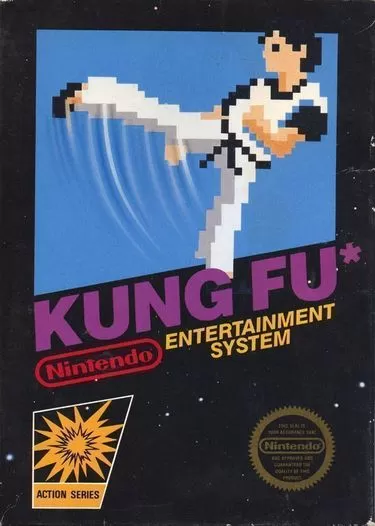
  • Kung Fu

    Introduction Kung Fu was developed by Irem and published by Nintendo, released on the NES in 1985 as a home conversion of Irem’s own 1984 arcade game, known outside Japan as Kung-Fu Master. Loosely inspired by Jackie Chan’s film Wheels on Meals, the game has players controlling martial artist Thomas fighting his way up five…

  • Nekketsu Fighting Legend

    Introduction Nekketsu Fighting Legend was developed and published by Technos Japan, released for the Famicom as part of the Kunio-kun series, the long-running franchise of delinquent-themed sports and action games that would later be localized abroad under names like River City Ransom and Renegade. This entry frames its action as a martial arts tournament, with…

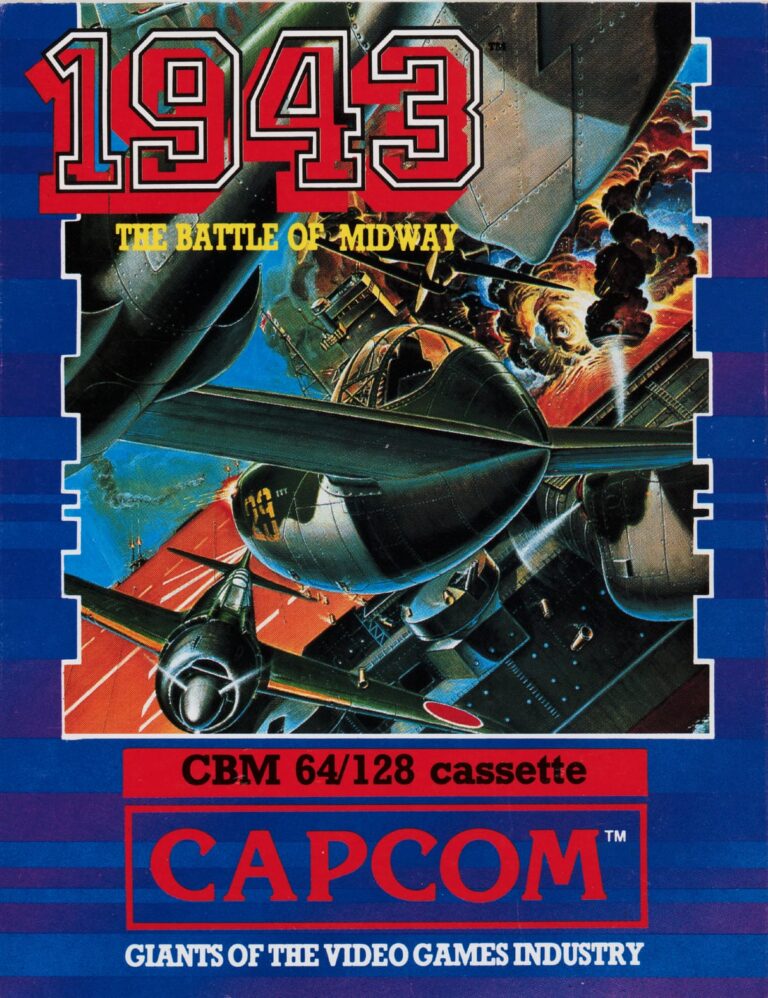
  • 1943: The Battle of Midway

    Introduction 1943: The Battle of Midway was developed and published by Capcom, released in arcades in 1987 as the direct sequel to 1984’s 1942. Set once again during World War II, the game puts players back in the cockpit of a fighter plane, this time a Lockheed P-38 Lightning battling through a campaign loosely themed…

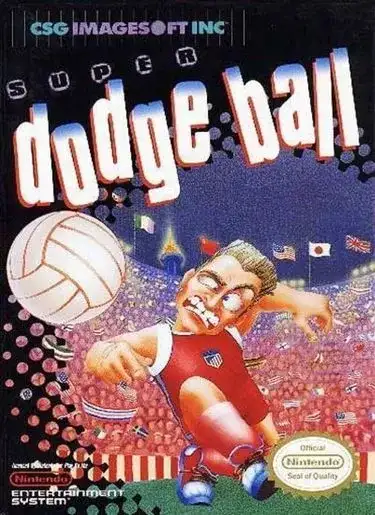
  • Super Dodge Ball

    Introduction Super Dodge Ball was developed and published by Technos Japan, directed by Mitsuhiro Yoshida with design work by Koji Ogata, loosely adapting the studio’s own 1987 arcade game of the same name and serving as the second entry in the Kunio-kun series even though that connection was scrubbed from international releases. It launched in…

  • Tetris

    Introduction Tetris was originally designed and programmed in June 1984 by Soviet software engineer Alexey Pajitnov, and its Western publishing rights became the subject of a famously tangled licensing battle in the years that followed, with Andromeda Software, Mirrorsoft, Atari Games subsidiary Tengen, and Nintendo all fighting over who actually held the console rights. Tengen…