Night Warriors: Darkstalkers’ Revenge

Introduction

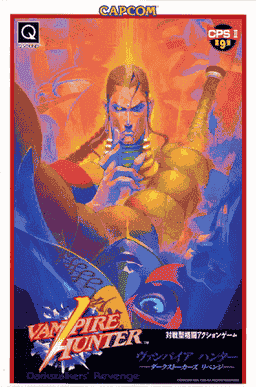
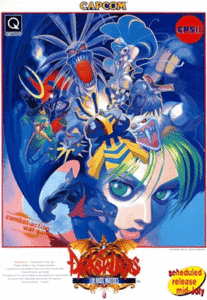
Night Warriors: Darkstalkers’ Revenge, known in Japan as Vampire Hunter, was developed and published by Capcom on CPS-2 arcade hardware, released in 1995 as the direct sequel to the previous year’s Darkstalkers: The Night Warriors. The game expanded the original’s horror-themed roster with new characters, including the zombie boxer Lord Raptor and the golem-like Huitzil, while refining the air-combo system that had defined the first game into a faster, more technically demanding engine capable of longer, more elaborate juggle strings. Character balance and move properties were reworked significantly from the original release, addressing some of the first game’s rough edges and giving competitive players a noticeably more polished fighting system to master. Its darker, gothic art direction and genuinely varied monster-themed cast remained intact, continuing to distinguish the series from Capcom’s own Street Fighter line and the many other fighters competing for arcade space in the mid-1990s. Night Warriors: Darkstalkers’ Revenge is generally regarded as a meaningful improvement over its predecessor and helped set the stage for the series’ technical peak two years later with Vampire Savior.
Night Warriors: Darkstalkers’ Revenge

Similar Posts

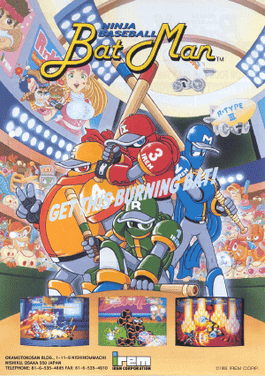
  • Ninja Baseball Bat Man

    Introduction Irem released Ninja Baseball Bat Man in arcades in 1993, and it remains one of the most gleefully strange beat ’em ups of the era. A set of priceless baseball artifacts has been stolen, and the league commissioner sends a team of four robotic ninja ballplayers – Jose, Ryno, Roger and Straw – to…

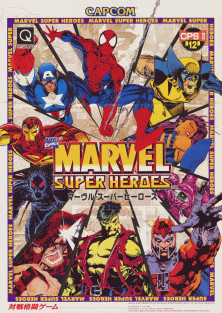
  • Marvel Super Heroes

    Introduction Marvel Super Heroes was developed and published by Capcom on CPS-2 arcade hardware, released in November 1995 as the studio’s second Marvel-licensed fighting game, following 1994’s The Punisher, and its first entry built around a proper Marvel Comics superhero roster rather than a single licensed property. Loosely adapting Marvel’s Infinity Gauntlet comic book storyline,…

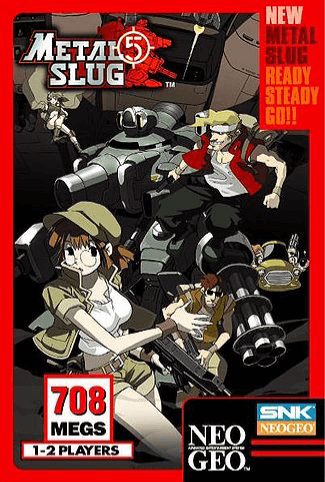
  • Metal Slug 5

    Introduction Metal Slug 5 was developed by Noise Factory and published by SNK Playmore, released for the Neo Geo MVS arcade system in 2003 as the fifth mainline entry in the run-and-gun series. Following the mixed reception to the outsourced Metal Slug 4, SNK Playmore brought development back closer to the series’ original creative team’s…

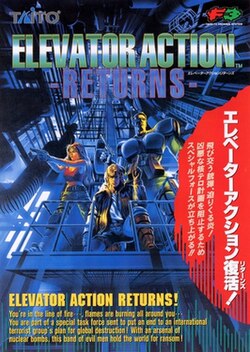
  • Elevator Action Returns

    Introduction Elevator Action Returns was developed and published by Taito, released in Japanese arcades in 1994 as the sequel to the studio’s 1983 original, Elevator Action. Players once again control a spy infiltrating tall, multi-floor buildings, riding elevators and escalators between levels while shooting enemy agents, collecting secret documents from marked red doors, and avoiding…

  • Raiden Fighters

    Introduction Seibu Kaihatsu released Raiden Fighters in arcades in 1996, a spin-off from its Raiden shooting series. Instead of piloting a single ship, players choose from a selection of fighter jets, each with a different speed and its own main weapon and missile type, and more aircraft can be unlocked with hidden inputs. The game…