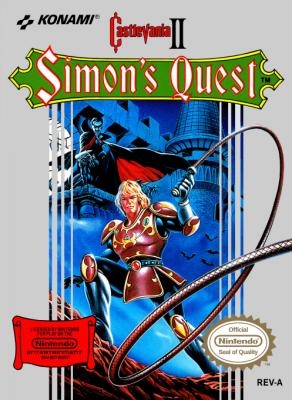
Castlevania II: Simon's Quest

Castlevania II: Simon’s Quest

Introduction

Konami released Castlevania II: Simon’s Quest for the Famicom Disk System in Japan in 1987 and on NES cartridge in North America in 1988. Seven years after defeating Dracula, Simon Belmont discovers he carries a deadly curse, and the only way to lift it is to find the five scattered parts of Dracula’s body – his rib, heart, eyeball, nail and ring – and burn them in the ruins of his castle. Instead of the first game’s linear stages, Simon explores an open world of towns, forests, marshes and mansions, buying whip upgrades and items from villagers and gaining levels from defeated enemies. A day and night cycle changes the world: towns fill with monsters after dark and enemies become tougher. The game is famous for its cryptic hints, many of which were vague or misleading, and it offers three endings depending on how quickly it is completed. It is often cited as an early influence on the open, exploration-driven Castlevania games that followed.
Castlevania II: Simon's Quest

Similar Posts

  • Rad Racer

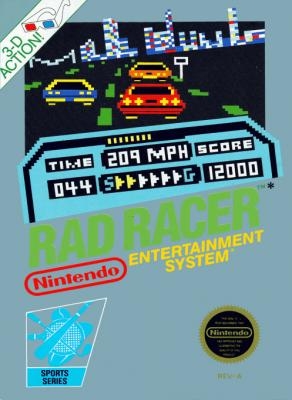
    Introduction Rad Racer, known in Japan as Highway Star, was developed and published by Square, directed by Hironobu Sakaguchi and programmed by Nasir Gebelli, with art from Kazuko Shibuya and an early soundtrack credit for Nobuo Uematsu, several of whom would go on to build the original Final Fantasy together the very same year. Square…

  • Soleil (Crusader of Centy)

    Introduction Soleil, released in North America as Crusader of Centy, was developed by Nextech and published by Sega, released for the Genesis in 1994 as an action-adventure heavily inspired by the top-down Zelda formula. Players control a young boy named Corona who can transform into animal forms and recruit talking animal companions that fight alongside…

  • River City Ransom

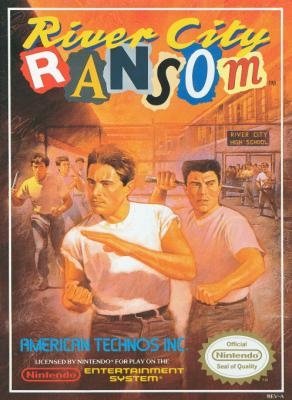
    Introduction River City Ransom was developed and published by Technos Japan, directed by Mitsuhiro Yoshida and Hiroyuki Sekimoto with music by Kazuo Sawa, and released in Japan in April 1989 as the first game the studio built specifically for a home console rather than adapting from arcades. It’s the third entry in the Kunio-kun series…

  • Mega Man 6

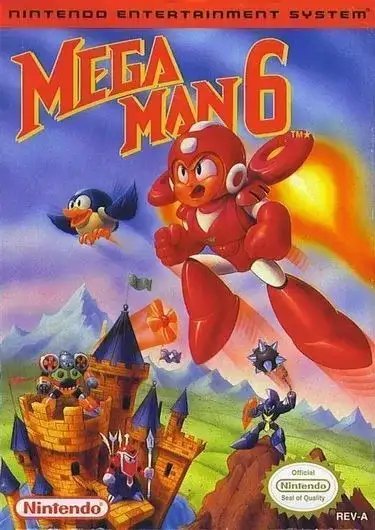
    Introduction Mega Man 6 was developed by Capcom and released in Japan in October 1993, but by that point Capcom’s Japanese arm had largely moved on from the aging NES, so for the first time Nintendo of America stepped in to co-fund and publish the game in the West itself, bringing it to North America…

  • Zelda II: The Adventure of Link

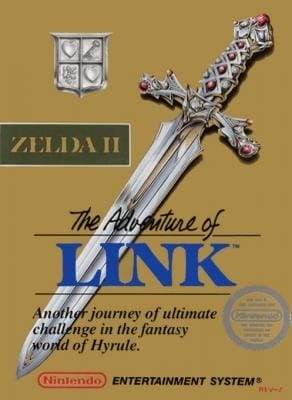
    Introduction Zelda II: The Adventure of Link was developed and published by Nintendo, released on the NES in Japan in January 1987 and reaching North America later that year as the direct sequel to 1986’s The Legend of Zelda. The game took the series in a markedly different direction from its predecessor’s top-down overworld exploration,…

  • Ninja Gaiden

    Introduction Ninja Gaiden was developed and published by Tecmo for the NES, directed by Hideo Yoshizawa with art by Masato Kato, released in Japan in December 1988 and in North America the following March. It ran in parallel with an unrelated arcade beat ’em up of the same name built by a different team, sharing…