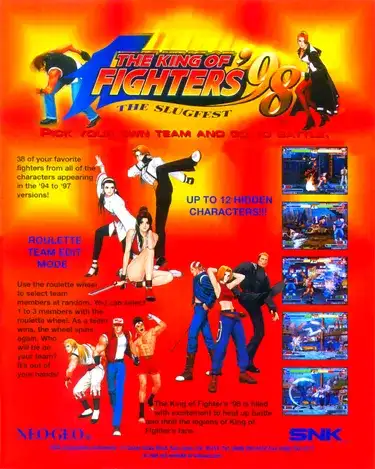
The King of Fighters ’98

The King of Fighters ’98

Introduction The King of Fighters ’98, known in Japan as Dream Match Never Ends, was developed and published by SNK for the Neo Geo arcade and home systems in 1998 as the fifth entry in the King of Fighters series. Rather than pushing the ongoing story forward, SNK explicitly marketed it as a special ‘dream…
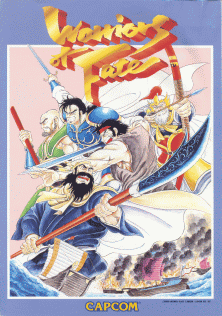
Warriors of Fate

Warriors of Fate

Introduction Warriors of Fate was developed and published by Capcom for arcades, released in October 1992 under the Japanese title Tenchi wo Kurau II: Battle of Red Cliffs, making it the third Capcom game based on the Tenchi wo Kurau manga and the second actual video game adaptation, following 1989’s Dynasty Wars. Set during the…

Knights of the Round

Knights of the Round

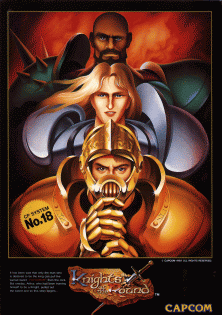
Introduction Knights of the Round was developed and published by Capcom for its CPS-1 arcade board, released in Japan in November 1991 as part of a wave of fantasy-themed beat ’em ups the studio put out around that era, alongside titles like The King of Dragons. Loosely built around the legend of King Arthur, the…

Double Dragon (Arcade)

Double Dragon (Arcade)

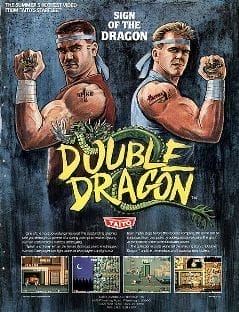
Introduction Double Dragon is Technos Japan’s original 1987 arcade beat ’em up, created by designer Yoshihisa Kishimoto as a spiritual successor to his earlier Nekketsu Kōha Kunio-kun after company executives pushed for the next game to support two simultaneous players. Kishimoto drew inspiration from gritty street-gang pop culture of the era, citing the 1979 film…

Alien vs. Predator

Alien vs. Predator

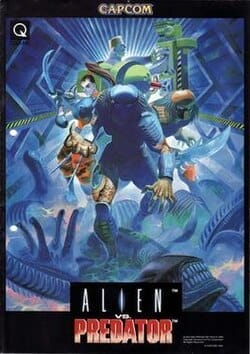
Introduction Alien vs. Predator was developed and published by Capcom on its CPS-2 arcade hardware, licensed from Twentieth Century Fox and built by a team including designers Tetsuya Iijima, Toshihiko Uda, and Jun Matsumura with a score by Hideki Okugawa, releasing in Japanese arcades in May 1994 before reaching other regions shortly after. Capcom leaned…

Samurai Shodown

Samurai Shodown

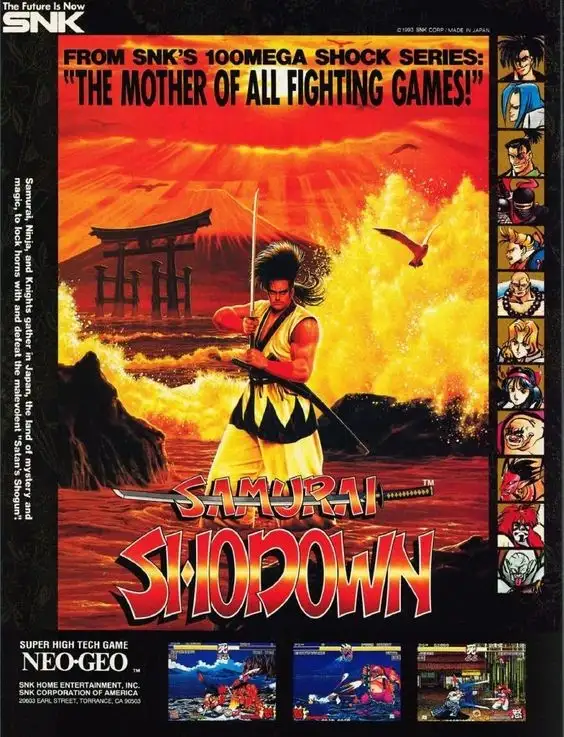
Introduction Samurai Shodown, known in Japan as Samurai Spirits, was developed and published by SNK for the Neo Geo MVS arcade system, produced by Eikichi Kawasaki and Tomoaki Fukui with Yasushi Adachi as designer, released in July 1993 with a Neo Geo AES home console version following that August. Where most fighting games of the…

The Punisher

The Punisher

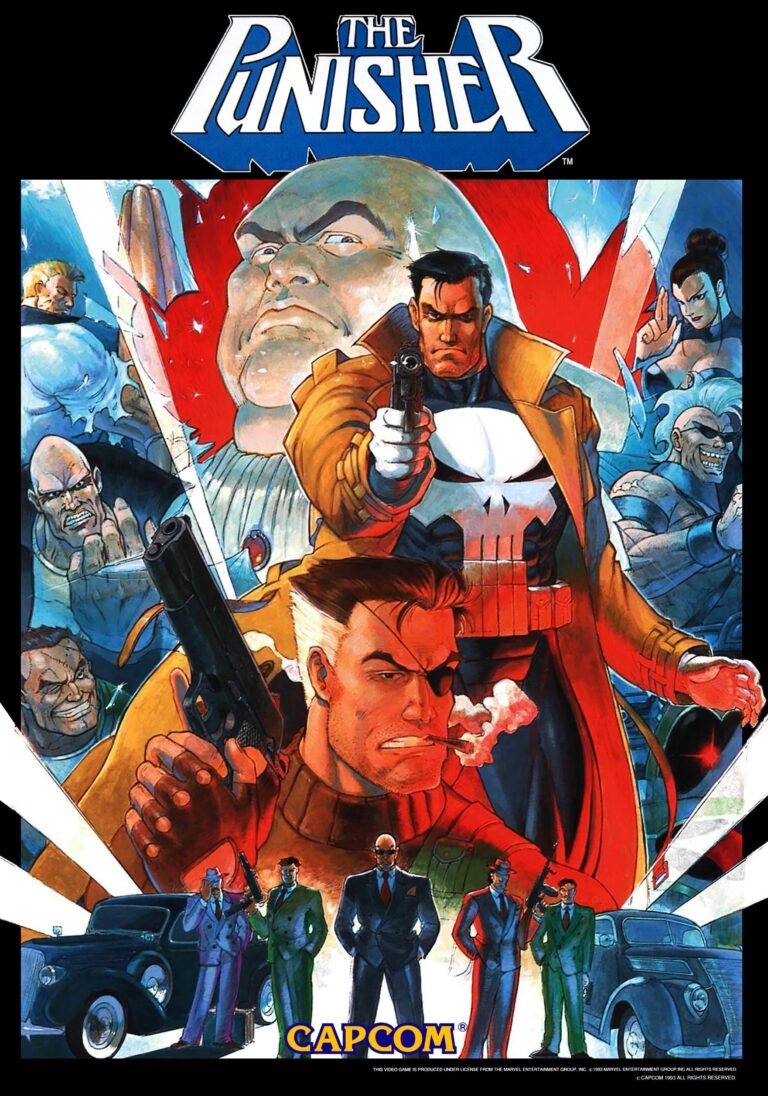
Introduction The Punisher was developed and published by Capcom, directed by Noritaka Funamizu with designers Akira Yasuda, Jun Keiba, and Junichi Ohno, and a score by Yoko Shimomura and Isao Abe, released to Japanese arcades on the CP System Dash board in May 1993 and reaching North America that July. It marked the start of…

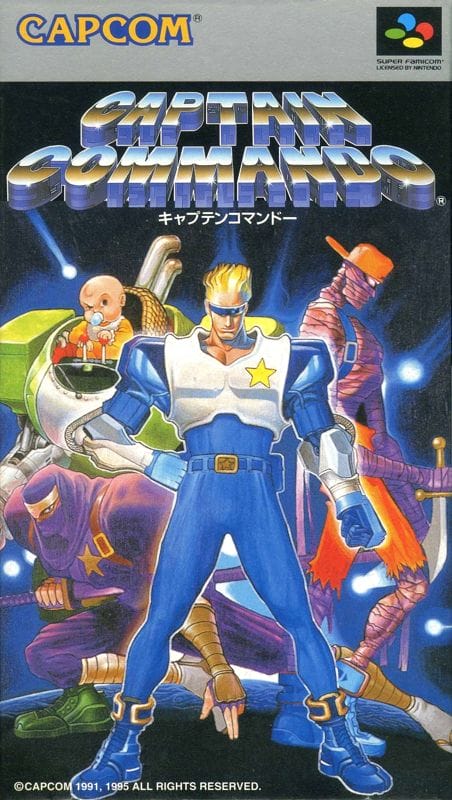
Captain Commando

Captain Commando

Introduction Captain Commando was developed and published by Capcom for arcades, produced by Yoshiki Okamoto and designed by Akira Yasuda and Junichi Ohno, released on the CP System hardware in late 1991 as the seventeenth game built for that board. The title character has an unusual origin story: Captain Commando began life years earlier as…

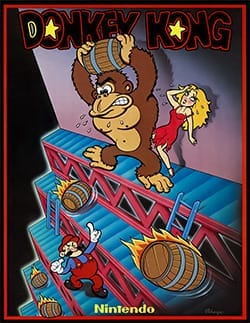
Donkey Kong (Arcade)

Donkey Kong (Arcade)

Introduction Donkey Kong is Nintendo’s original 1981 arcade platformer, the coin-operated cabinet that later inspired the NES home conversion, built around four distinct single-screen stages that each represent 25 meters of a construction site Mario, then called Jumpman, must climb to rescue Pauline from the giant ape Donkey Kong. The first stage has players navigating…

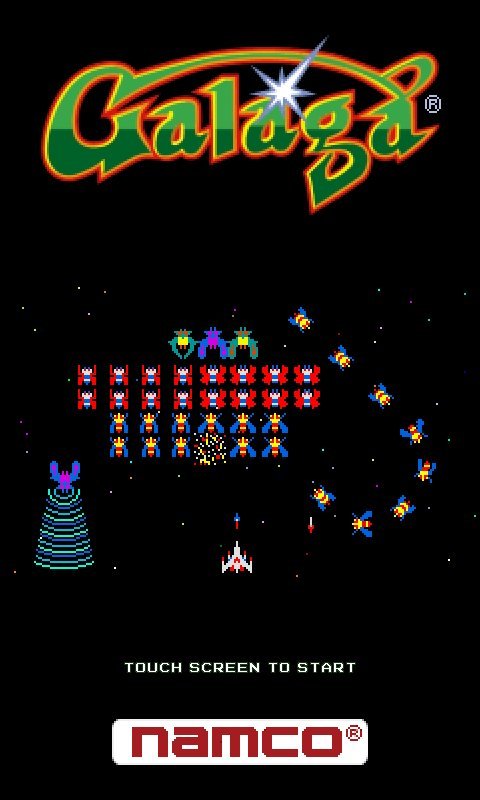
Galaga

Galaga

Introduction Galaga was developed and published by Namco for arcades in 1981, led by longtime company veteran Shigeru Yokoyama, and released in North America by Midway. It exists as a direct sequel to 1979’s Galaxian, Namco’s first genuine arcade hit, and came about somewhat by necessity: as Galaxian cabinet sales began slowing by the early…

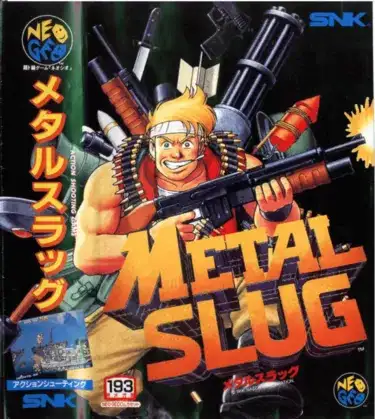
Metal Slug

Metal Slug

Introduction Metal Slug was developed by Nazca Corporation, a studio staffed largely by former Irem developers behind games like In the Hunt and GunForce II, and released by SNK for the Neo Geo MVS arcade system in April 1996, shortly before Nazca merged into SNK outright. The game underwent a major shift mid-development: it was…