Samurai Shodown III: Blades of Blood

Samurai Shodown III: Blades of Blood

Introduction

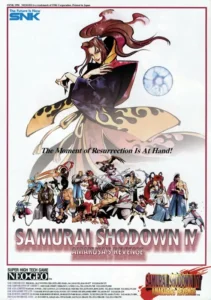
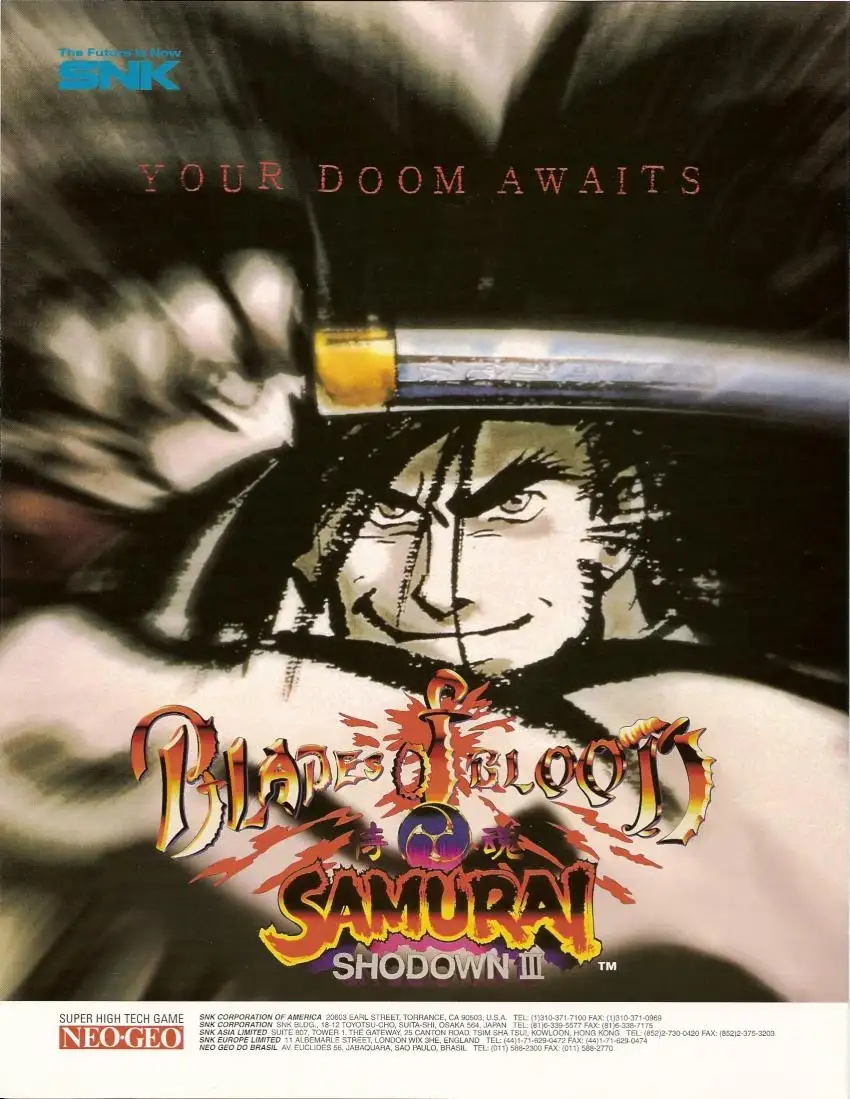
SNK released Samurai Shodown III: Blades of Blood for the Neo Geo in 1995, giving the weapon-based fighting series a darker, more serious tone. Set in feudal Japan, the story follows a group of warriors hunting the ruthless swordsman Zankuro Minazuki. The biggest change is that every fighter comes in two versions, Slash and Bust, which reflect the good and evil sides of the character and give them different move sets and playing styles. Newcomers such as the umbrella-wielding boy Shizumaru Hisame and the shadow warrior Basara Kubikiri join returning favourites like Haohmaru and Nakoruru. Sprites and backgrounds were redrawn in a grittier style, and dodge moves and new defensive options let players avoid attacks. As in earlier games, heavy slashes deal huge damage and fights can be decided in a few blows, so patience and spacing matter more than long combos.
Samurai Shodown III: Blades of Blood

Similar Posts

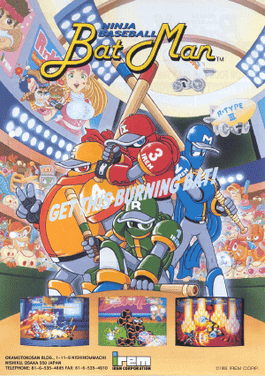
  • Ninja Baseball Bat Man

    Introduction Irem released Ninja Baseball Bat Man in arcades in 1993, and it remains one of the most gleefully strange beat ’em ups of the era. A set of priceless baseball artifacts has been stolen, and the league commissioner sends a team of four robotic ninja ballplayers – Jose, Ryno, Roger and Straw – to…

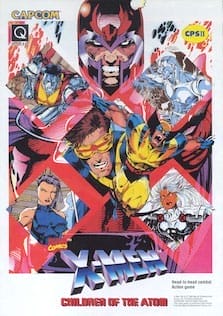
  • X-Men: Children of the Atom

    Introduction X-Men: Children of the Atom launched on Capcom’s CP System II board in Japan on 8 December 1994, reaching the rest of Asia weeks later and North America during 1995. It was the first fighting game Capcom built around licensed Marvel characters, and the ambition shows in every frame: sprites far larger than those…

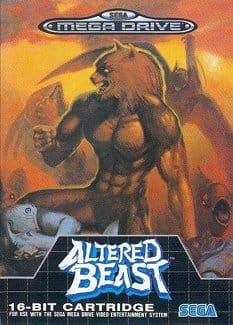
  • Altered Beast

    Introduction Altered Beast was developed and published by Sega, released in arcades in 1988 before becoming one of the launch titles for the Sega Genesis later that year. Loosely inspired by Greek mythology, the game casts players as a Roman centurion resurrected by the god Zeus and tasked with rescuing his daughter Athena from the…

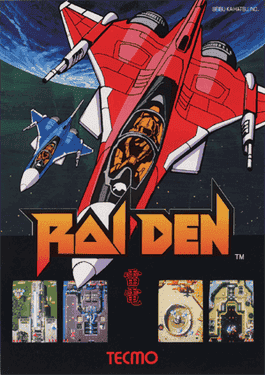
  • Raiden

    Introduction Raiden reached arcades in September 1990 and became the breakout success of its developer, Seibu Kaihatsu, after years of lower-profile releases. Distribution was split by territory: Tecmo handled Japan while Fabtek brought the game to North American operators. Players pilot the Fighting Thunder fighter craft against an alien invasion, working through eight densely populated…

  • DoDonPachi II: Bee Storm

    Introduction DoDonPachi II: Bee Storm was developed by International Games System and published by Capcom, released in arcades in 2001 as a sequel to Cave’s original DoDonPachi, notably the only entry in the DonPachi series not developed by Cave itself. The game kept the series’ core vertically scrolling bullet-hell shooting intact, tasking players with weaving…

  • Art of Fighting 2

    Introduction Art of Fighting 2 was developed and published by SNK, released for the Neo Geo MVS arcade system in 1994 as the sequel to 1992’s Art of Fighting. The game continued the story of Ryo Sakazaki and Robert Garcia while expanding the roster with new fighters and refining the original’s technical systems, including a…