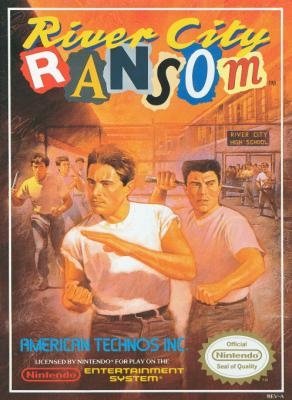
River City Ransom

Introduction

River City Ransom was developed and published by Technos Japan, directed by Mitsuhiro Yoshida and Hiroyuki Sekimoto with music by Kazuo Sawa, and released in Japan in April 1989 as the first game the studio built specifically for a home console rather than adapting from arcades. It’s the third entry in the Kunio-kun series created by designer Yoshihisa Kishimoto, following the original arcade brawler and Super Dodge Ball, and it reached North America in January 1990 retitled by Technos’s US subsidiary as its first console release handled without the involvement of prior series publisher Taito. Where earlier Kunio-kun games followed a fixed linear path, River City Ransom opened the format up into a genuinely non-linear town players could explore freely, fighting rival gang members for cash that can be spent in shops on food and items that permanently boost stats like strength, defense, and punch power, blending beat ’em up combat with light RPG-style progression years before that combination became common. Players, controlling Kunio or his friend Riki, work through River City’s schools and streets to rescue Kunio’s girlfriend from a rival gang leader, and the game’s mix of freeform exploration, comedic dialogue, and stat-building combat has made it a cult favorite that’s been remade and re-released many times since.
River City Ransom

Similar Posts

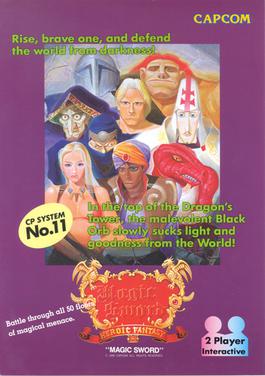
  • Magic Sword: Heroic Fantasy

    Introduction Magic Sword: Heroic Fantasy was developed and published by Capcom, released in arcades in 1990 as a side-scrolling action game built around a straightforward but addictive premise: fighting upward through a 50-floor tower to rescue prisoners trapped on each level while battling toward a final confrontation with the demon lord Drokmar. Players control a…

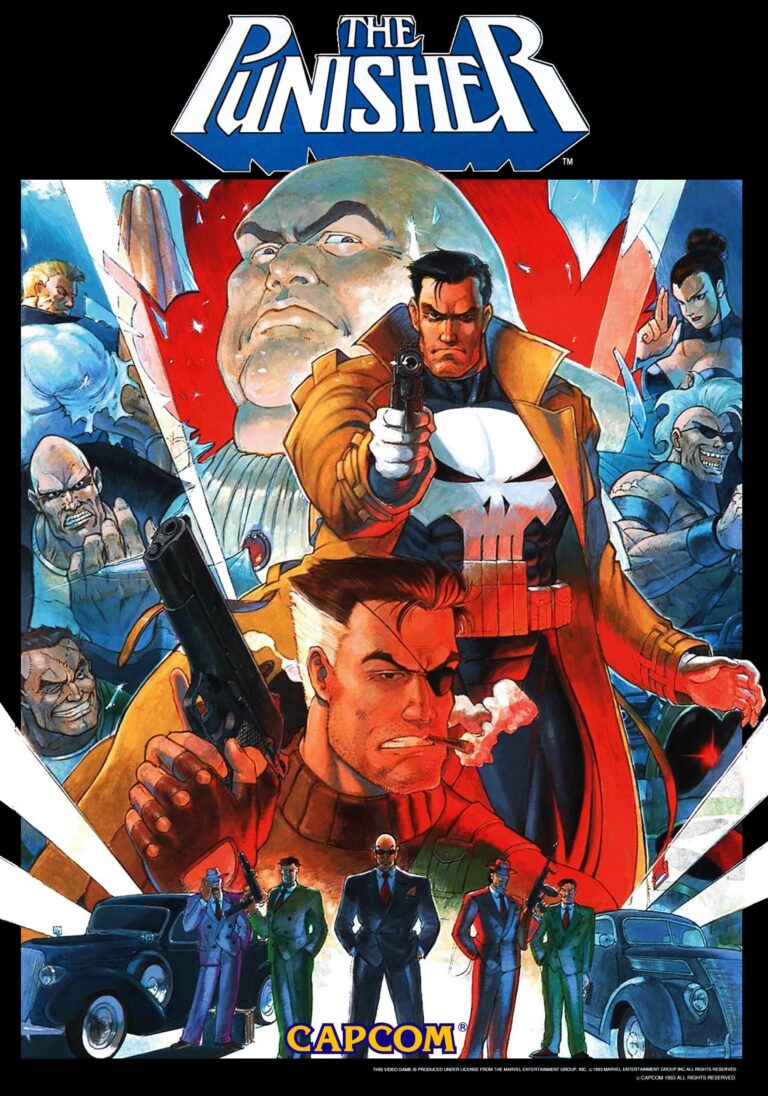
  • The Punisher

    Introduction The Punisher was developed and published by Capcom, directed by Noritaka Funamizu with designers Akira Yasuda, Jun Keiba, and Junichi Ohno, and a score by Yoko Shimomura and Isao Abe, released to Japanese arcades on the CP System Dash board in May 1993 and reaching North America that July. It marked the start of…

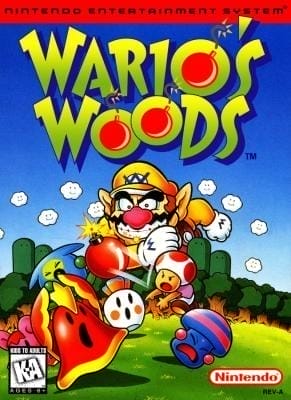
  • Wario’s Woods

    Introduction Nintendo released Wario’s Woods in 1994 for both the NES and the Super Nintendo, and the NES version is known as the last game Nintendo itself published for the console in North America. Wario has taken over the Peaceful Woods and filled it with monsters, and Toad sets out to clear them with help…

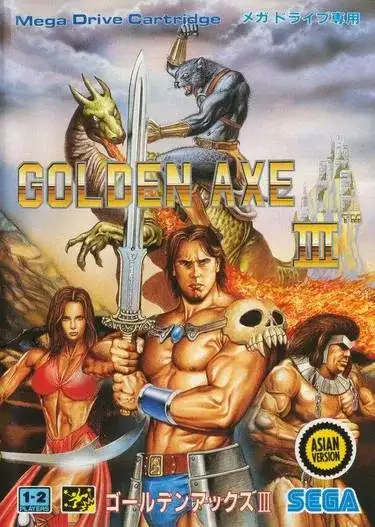
  • Golden Axe III

    Introduction Sega released Golden Axe III for the Mega Drive in Japan in 1993, while players in North America received it through the Sega Channel service. The Prince of Darkness, Damud Hellstrike, has stolen the Golden Axe and placed a curse on the land’s heroes, and a new group of warriors sets out to stop…

  • Super Robot Wars 2

    Introduction Super Robot Wars 2 was developed and published by Banpresto, released for the Famicom in 1991 as the second entry in the long-running tactical RPG series that crosses over mecha anime franchises like Mobile Suit Gundam, Mazinger, and Getter Robo into a single strategic battle system. Players command a roster of iconic robots and…

  • The Simpsons (Arcade)

    Introduction The Simpsons was developed and published by Konami, released in arcades in 1991 as a four-player side-scrolling beat ’em up based on the already hugely popular animated sitcom. Up to four players simultaneously control Homer, Marge, Bart, and Lisa Simpson as they fight through the streets of Springfield to rescue baby Maggie from a…