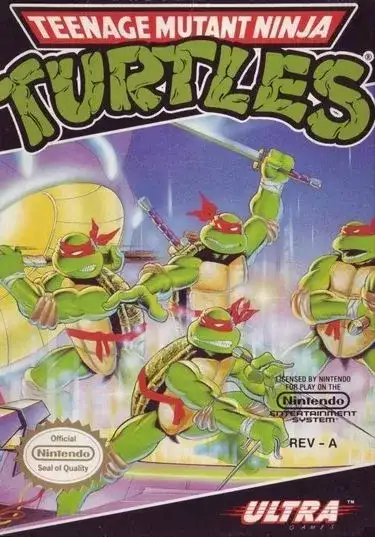
Teenage Mutant Ninja Turtles

Introduction

Teenage Mutant Ninja Turtles was developed by Konami and published in North America under its Ultra Games imprint, a label Konami founded in 1988 specifically to get around Nintendo’s limits on how many titles a single publisher could release per year. The game reached the Famicom in Japan in May 1989 and the NES in North America the following month, riding the wave of the franchise’s newly popular animated series, and went on to sell more than 4 million cartridges worldwide, making it one of the best-selling NES games of its era. Players switch between the four turtles, Leonardo, Michelangelo, Donatello, and Raphael, across a mix of overworld map navigation and side-scrolling action stages as they battle Foot Clan soldiers and other villains to rescue April O’Neil and stop Shredder. The game is almost as well known today for its brutal difficulty as for its license, especially its infamous underwater dam stage where a strict timer, drifting seaweed, and homing mines have humbled generations of players trying to defuse the level’s bombs before time runs out.
Teenage Mutant Ninja Turtles

Similar Posts

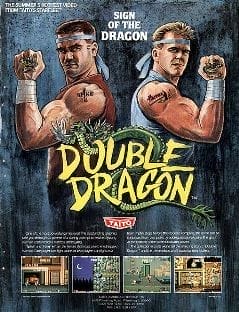
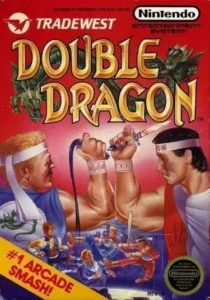
  • Double Dragon (Arcade)

    Introduction Double Dragon is Technos Japan’s original 1987 arcade beat ’em up, created by designer Yoshihisa Kishimoto as a spiritual successor to his earlier Nekketsu Kōha Kunio-kun after company executives pushed for the next game to support two simultaneous players. Kishimoto drew inspiration from gritty street-gang pop culture of the era, citing the 1979 film…

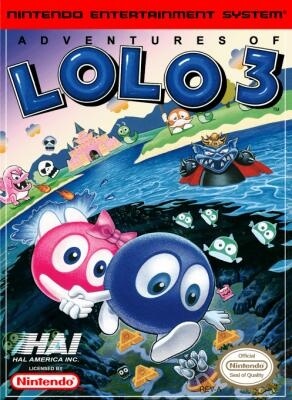
  • Adventures of Lolo 3

    Introduction HAL Laboratory released Adventures of Lolo 3 for the NES in 1991, the final entry in the western Lolo trilogy. King Egger has once again turned the people of Eden to stone, and this time both Lolo and Lala are playable, with the player able to switch between them. Instead of a simple series…

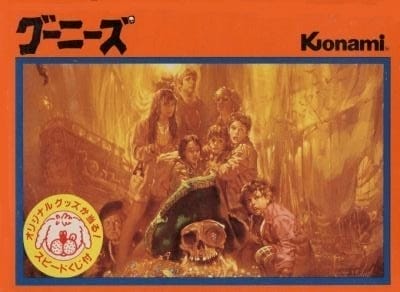
  • The Goonies

    Introduction The Goonies is a 1986 platform game produced by Konami and based on the Richard Donner film of the same name, released for the Family Computer in Japan in February 1986 but never officially published outside the country on cartridge, though Nintendo did bring a US-exclusive arcade conversion, VS. The Goonies, to PlayChoice-10 and…

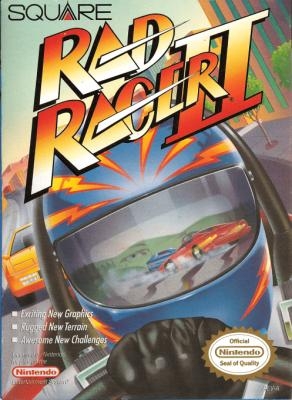
  • Rad Racer II

    Introduction Rad Racer II was developed and published by Square, released for the NES in 1990 as a sequel to Rad Racer. It follows the same pseudo-3D racing format as the original, sending players down a fixed set of named courses against the clock and rival traffic, but drops the original’s stereoscopic 3D glasses gimmick…

  • Rad Racer

    Introduction Rad Racer, known in Japan as Highway Star, was developed and published by Square, directed by Hironobu Sakaguchi and programmed by Nasir Gebelli, with art from Kazuko Shibuya and an early soundtrack credit for Nobuo Uematsu, several of whom would go on to build the original Final Fantasy together the very same year. Square…

  • Mega Man

    Introduction Mega Man was developed and published by Capcom, released for the Famicom in Japan in December 1987 by a small six-person team working under a project supervisor who reportedly pushed for perfection in every detail despite the tight crew size. Fresh Capcom hire Keiji Inafune, credited on the game as ‘Inafuking,’ designed and illustrated…