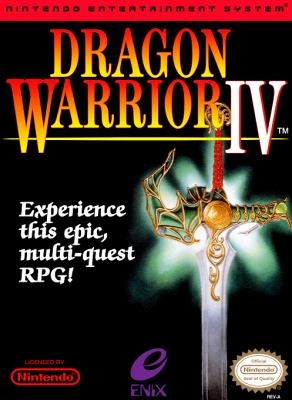
Dragon Warrior IV

Introduction

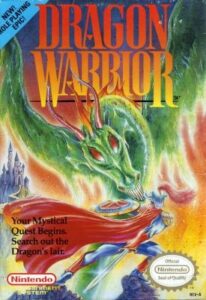
Dragon Warrior IV, known in Japan as Dragon Quest IV, was developed by Chunsoft and published by Enix, originally releasing for the Famicom in February 1990 before Enix’s American subsidiary brought it to the NES in October 1992, making it the last Dragon Quest title that subsidiary would localize before it closed a few years later. Its biggest structural departure from earlier entries was a five-chapter story format: the first four chapters each follow a different future party member through their own self-contained hardships and adventures, from a princess in disguise to a traveling merchant, before the fifth chapter finally unites them all under the series’ usual chosen Hero for the main quest. That chaptered storytelling gave the game a noticeably different pace and sense of character focus compared to the more straightforward hero’s-journey structure of the first three games, letting players get attached to companions before ever controlling the protagonist who eventually leads them. Nintendo Power would later rank it among the best games on the entire console, singling out its inventive five-act structure as the high point of the NES-era Dragon Quest trilogy, and it remains one of the most fondly remembered entries in the series’ console history.
Dragon Warrior IV

Similar Posts

  • Tetris

    Introduction Tetris was originally designed and programmed in June 1984 by Soviet software engineer Alexey Pajitnov, and its Western publishing rights became the subject of a famously tangled licensing battle in the years that followed, with Andromeda Software, Mirrorsoft, Atari Games subsidiary Tengen, and Nintendo all fighting over who actually held the console rights. Tengen…

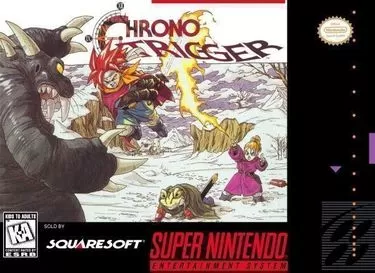
  • Chrono Trigger

    Introduction Chrono Trigger was developed and published by Square, released on the SNES in Japan in March 1995, created by a self-described “Dream Team” bringing together Final Fantasy creator Hironobu Sakaguchi, Dragon Quest creator Yuji Horii, and character designer Akira Toriyama of Dragon Ball fame. The game follows a group of adventurers who discover time…

  • Rad Racer

    Introduction Rad Racer, known in Japan as Highway Star, was developed and published by Square, directed by Hironobu Sakaguchi and programmed by Nasir Gebelli, with art from Kazuko Shibuya and an early soundtrack credit for Nobuo Uematsu, several of whom would go on to build the original Final Fantasy together the very same year. Square…

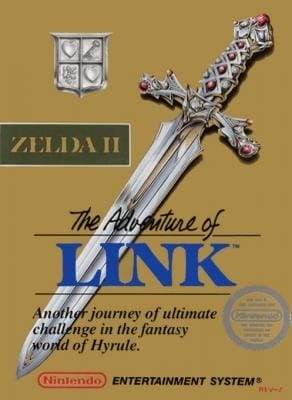
  • Zelda II: The Adventure of Link

    Introduction Zelda II: The Adventure of Link was developed and published by Nintendo, released on the NES in Japan in January 1987 and reaching North America later that year as the direct sequel to 1986’s The Legend of Zelda. The game took the series in a markedly different direction from its predecessor’s top-down overworld exploration,…

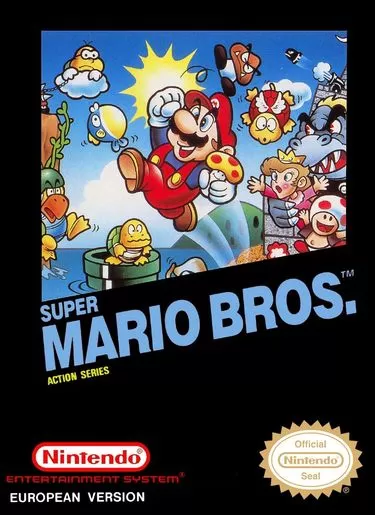
  • Super Mario Bros

    Introduction Super Mario Bros is a side-scrolling platform game directed by Shigeru Miyamoto and Takashi Tezuka for Nintendo’s in-house R&D4 team, released for the Famicom in Japan in September 1985 and for the NES in North America shortly after. Miyamoto had joined Nintendo as an artist and toy designer and originally pitched a game built…

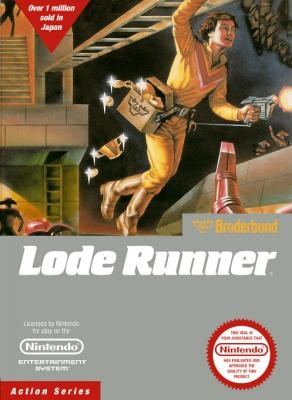
  • Lode Runner

    Introduction Lode Runner began as a 1983 computer game created by Doug Smith and published by Broderbund, and Hudson Soft brought it to the Famicom in 1984, with the NES version reaching North America in 1987. The player controls a runner who must collect every pile of gold on the screen while avoiding robotic guards….