Crystalis

Introduction

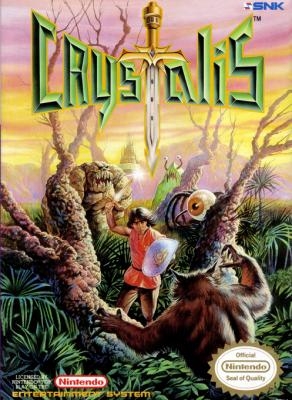
Crystalis was developed and published by SNK, known in Japan as God Slayer: Haruka Tenkū no Sonata, directed and produced by Kazuto Kohno with programming from Yukio Gu, F. Sasami, and Satoru Okada and a soundtrack by Yoko Osaka, releasing there in April 1990 before reaching North America that July. It marked a notable departure for SNK, a company mostly associated with arcade fighters and shooters at the time, showing the studio could build a deep, console-tailored action RPG in the spirit of The Legend of Zelda when it wanted to. Players guide a nameless hero who awakens in a post-apocalyptic future world, wielding one of four elemental swords that can be swapped on the fly and gaining new spell-like Psycho abilities as the story unfolds, exploring towns, dungeons, and an overworld map while battling mutated creatures and collecting the shards needed to forge the legendary Crystalis sword. Despite strong contemporary reviews, it never became a major commercial hit at the time, but its polished combat, striking visuals for the console, and satisfying RPG progression have earned it a lasting cult following and later re-releases through SNK’s modern anniversary collections.
Crystalis

Similar Posts

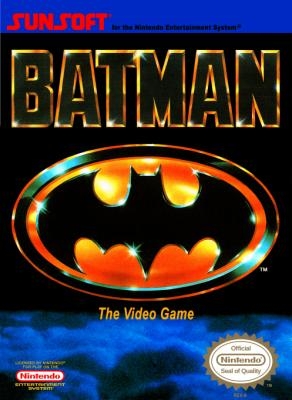
  • Batman: The Video Game

    Introduction Batman: The Video Game was developed and published by Sunsoft, released on the NES in 1989 as a tie-in to that year’s blockbuster Tim Burton-directed Batman film. Players control the Caped Crusader through a series of side-scrolling stages set in a shadowy, industrial version of Gotham City, using batarangs and a limited melee attack…

  • Chip ‘n Dale Rescue Rangers

    Introduction Chip ‘n Dale Rescue Rangers was developed and published by Capcom, produced by Tokuro Fujiwara off the back of his work on titles like Mega Man 2 and Ghosts ‘n Goblins, and released in North America and Japan in 1990 following Europe the next year. It was Capcom’s second Disney-licensed platformer after 1989’s DuckTales,…

  • Front Mission

    Introduction Front Mission was developed by G-Craft and published by Square, released for the Super Famicom in Japan on February 24, 1995, as a tactical role-playing game built around squad-based battles fought using large piloted mechs called wanzers. Players command a customizable squad of wanzers across grid-based battle maps, with each unit’s individual body parts,…

  • Kung Fu

    Introduction Kung Fu was developed by Irem and published by Nintendo, released on the NES in 1985 as a home conversion of Irem’s own 1984 arcade game, known outside Japan as Kung-Fu Master. Loosely inspired by Jackie Chan’s film Wheels on Meals, the game has players controlling martial artist Thomas fighting his way up five…

  • Pac-Man

    Introduction Pac-Man’s NES history is unusually tangled for such a simple game. Namco’s original 1980 arcade maze-chase design was ported to the NES more than once: Tengen, then an Atari Games subsidiary, released a licensed version in October 1988 and later an unlicensed version after a falling-out with Nintendo over cartridge lockout chips and licensing…

  • Hudson’s Adventure Island

    Introduction Hudson’s Adventure Island was developed and published by Hudson Soft, released on the NES in 1988 as a loose adaptation of Sega’s 1986 arcade game Wonder Boy, reworked with an original cast and story after Hudson lost the rights to use Sega’s characters directly. Players control Master Higgins, a shirtless island adventurer racing left…