Strikers 1945

Introduction

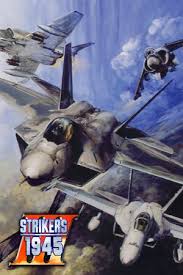
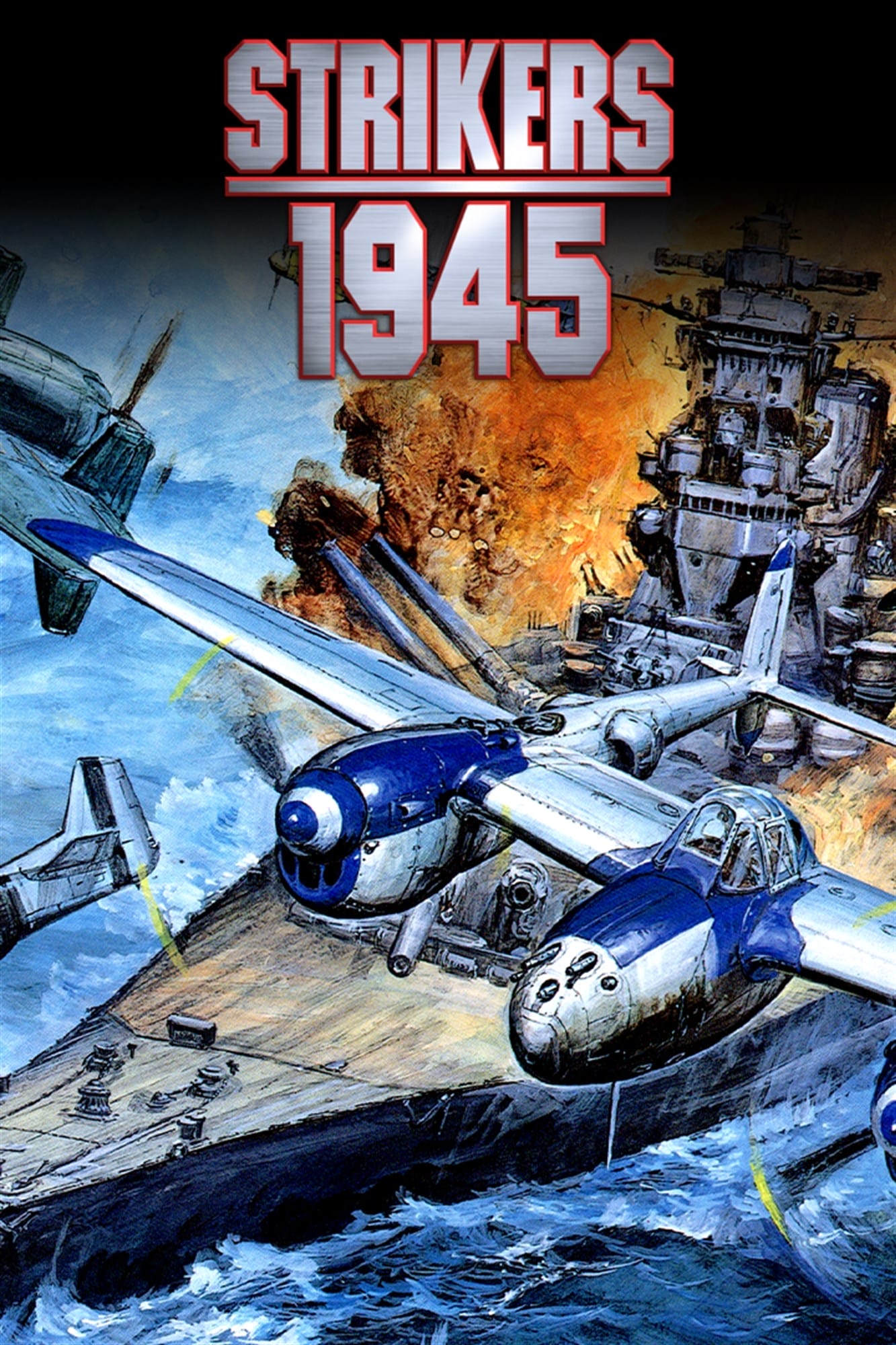
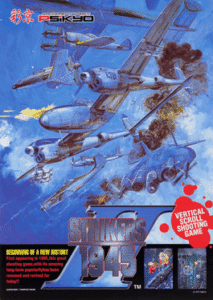
Strikers 1945 was developed and published by Psikyo, released in arcades in 1995 as the Japanese shoot ’em up studio’s tribute to Capcom’s earlier 19XX series, borrowing that franchise’s WWII fighter-plane theme while building an entirely original game around it. Players choose from a roster of real and fictional World War II-era aircraft, each with a unique weapon pattern and a limited-use special bomb attack, fighting through vertically scrolling stages against increasingly dense formations of enemy planes, tanks, and battleships on the way to boss encounters that dwarfed the player’s own aircraft in scale. Its fast, pattern-heavy bullet design leaned toward the more demanding, precision-focused style of shoot ’em up that would come to define much of Psikyo’s later output, distinguishing it from the comparatively slower-paced Capcom games it was inspired by. Strikers 1945’s commercial success in arcades established Psikyo as a serious force in the shoot ’em up genre during the mid-1990s and launched a long-running series of sequels, including Strikers 1945 II, III, and Plus, that would continue for years afterward.
Strikers 1945

Similar Posts

  • Desert Strike

    Introduction Desert Strike: Return to the Gulf, commonly known as Desert Strike, is a shoot ’em up video game released by Electronic Arts (EA) in February 1992 for Sega’s Mega Drive.[1] The game was later released on several other formats such as the SNES, including a much upgraded version for the Amiga home computer. The…

  • Out Run

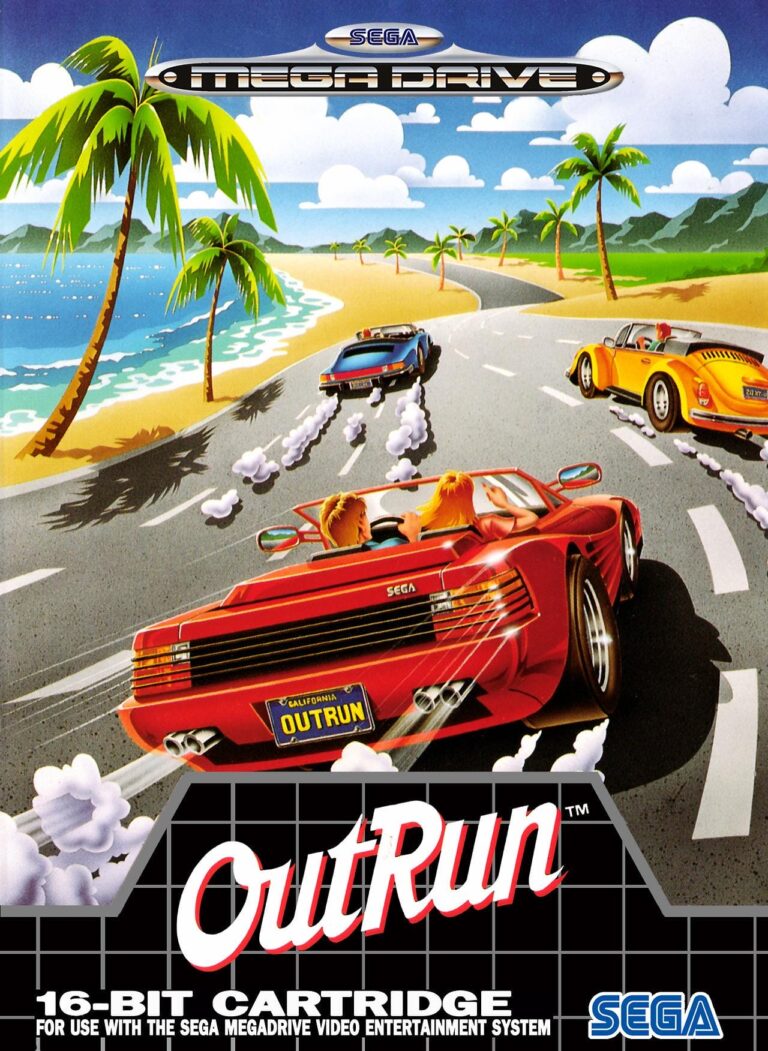
    Introduction Out Run was developed and published by Sega, released in arcades in 1986 under the direction of Yu Suzuki, who had previously worked on Sega’s earlier hit Hang-On. Players take the wheel of a red Ferrari Testarossa Spider convertible, racing against the clock through scenic checkpoint stages rather than against other cars, with a…

  • Garou: Mark of the Wolves

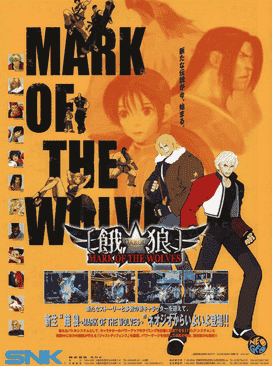
    Introduction Garou: Mark of the Wolves was developed and published by SNK, released for the Neo Geo MVS arcade system in 1999 as a spiritual successor to the long-running Fatal Fury series, set roughly a decade after the events of Fatal Fury 3 with an almost entirely new cast of playable fighters. The game introduced…

  • Galaxian

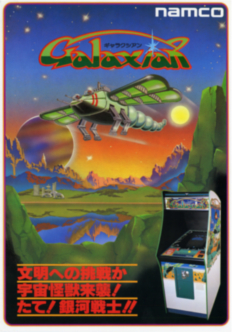
    Introduction Galaxian was developed and published by Namco, released in arcades in 1979 as the company’s answer to the runaway success of Taito’s Space Invaders the year before. Players control a starship at the bottom of the screen, firing upward at a formation of alien insect-like enemies that, unlike the steadily advancing rows in Space…

  • 1944: The Loop Master

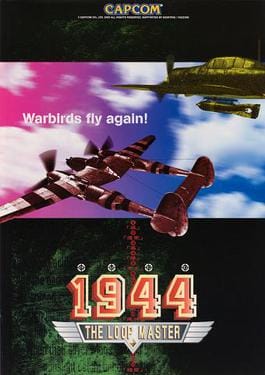
    Introduction 1944: The Loop Master was developed by Eighting and published by Capcom, released in arcades in 2000 as a direct continuation of the 19XX series that began with 1942 back in 1984. Set in the closing stages of World War II, the game returns players to the vertical-scrolling shoot ’em up formula of its…