Adventures of Lolo 3

Adventures of Lolo 3

Introduction

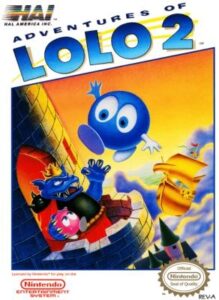
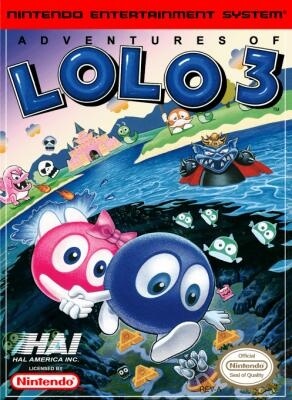
HAL Laboratory released Adventures of Lolo 3 for the NES in 1991, the final entry in the western Lolo trilogy. King Egger has once again turned the people of Eden to stone, and this time both Lolo and Lala are playable, with the player able to switch between them. Instead of a simple series of floors, the game adds an overworld map that links groups of puzzle rooms, giving the adventure a stronger sense of travel than its predecessors. Each room is a self-contained puzzle: the goal is to collect every Heart Framer to open the treasure chest, then reach the exit. Along the way, Lolo pushes Emerald Framers to block enemies, fires magic shots that turn monsters into eggs that can be pushed or used as rafts, and uses limited items such as bridges and hammers. Enemies each follow strict rules, which turns every room into a careful exercise in planning and timing. With around a hundred rooms, it is the largest game in the series.

Adventures of Lolo 3

Similar Posts

  • Final Fantasy III

    Introduction Final Fantasy III was developed and published by Square, released for the Famicom in Japan in 1990 as the third entry in the series, notable for introducing the Job Change system that let party members switch freely between classes like Knight, Black Mage, and Dragoon rather than being locked into a single role for…

  • Dragon Warrior III

    Introduction Dragon Warrior III, known in Japan as Dragon Quest III, was developed by Chunsoft and published by Enix, releasing for the Famicom in Japan in February 1988 and reaching the NES in North America in March 1992. It became a genuine cultural phenomenon in Japan, reportedly selling 1.1 million copies in a single day…

  • Super C

    Introduction Super C was developed and published by Konami as an enhanced NES conversion of the 1988 arcade game Super Contra, known in Japan as Super Contra: The Alien Strikes Back and released across Europe as Probotector II. The NES cartridge programmed by Shigeharu Umezaki with art from Kengo Nakamura and Setsu Muraki reached Japan…

  • Chip ‘n Dale Rescue Rangers

    Introduction Chip ‘n Dale Rescue Rangers was developed and published by Capcom, produced by Tokuro Fujiwara off the back of his work on titles like Mega Man 2 and Ghosts ‘n Goblins, and released in North America and Japan in 1990 following Europe the next year. It was Capcom’s second Disney-licensed platformer after 1989’s DuckTales,…

  • Arkanoid

    Introduction Arkanoid was developed and published by Taito, released for the NES in 1987 as a home conversion of the 1986 arcade original that helped define the breakout-style genre. Players control the Vaus, a small spacecraft acting as a paddle, bouncing a ball upward to destroy grids of colored bricks across increasingly elaborate stages, with…

  • Mega Man

    Introduction Mega Man was developed and published by Capcom, released for the Famicom in Japan in December 1987 by a small six-person team working under a project supervisor who reportedly pushed for perfection in every detail despite the tight crew size. Fresh Capcom hire Keiji Inafune, credited on the game as ‘Inafuking,’ designed and illustrated…